How to Get Certified in Botox and Dermal Fillers
The demand for Botox and dermal filler certification has skyrocketed, especially among healthcare professionals looking to transition from hospital shifts to the lucrative field of aesthetic medicine. If you’re wondering, “What qualifications do I need to administer Botox and fillers?”, you’re in the right place. This guide will outline the necessary qualifications, training pathways, and legal considerations for administering these popular cosmetic treatments.
Understanding Botox and Dermal Fillers
Before discussing the qualifications needed, it’s essential to understand the difference between Botox and dermal fillers:
- Botox: A neurotoxin derived from Clostridium botulinum, Botox is primarily used to smooth wrinkles by temporarily relaxing muscles. It’s also FDA-approved for medical conditions like migraines and excessive sweating. Other popular neurotoxin brands include Dysport, Xeomin, Jeuveau, and Daxxify.
- Dermal Fillers: These injectable substances restore facial volume, smooth wrinkles, and enhance facial contours. Unlike Botox, which affects muscle movement, fillers plump and hydrate the skin. Results typically last longer than Botox but require maintenance treatments.
Both Botox and dermal fillers require specialized training and certification to administer safely and effectively.
Who Can Administer Botox and Fillers?
In the United States, only licensed healthcare professionals can administer Botox and fillers. However, specific qualifications depend on state regulations. Generally, the following professionals are eligible:
- Physicians (MDs and DOs): Universally authorized to administer injectables without supervision.
- Dentists (DDS and DMDs): Often allowed to perform injections, particularly in the oral and maxillofacial areas. This varies quite a bit, depending on which state you’re in.
- Nurse Practitioners (NPs), Advanced Practice Registered Nurses (APRNs), and Physician Assistants (PAs): Can administer injectables, sometimes requiring physician collaboration. This also varies state to state.
- Registered Nurses (RNs): In many states, RNs can administer Botox and fillers with varying degrees of supervision required. Regulations vary, so check your state’s requirements.
One thing you’ll notice is that, for many of these professionals, the regulations vary depending on which state your practice is in. It can be a lot to navigate. Here’s where you can get more information:
- Get in touch with your State Nursing Board and get your hands on the State Nursing Board Scope of Practice Documents.
- Consult a lawyer. Firms like Lengea Law can help you figure out what your state requirements are.
How to Get Certified to Administer Botox and Fillers
1. Obtain a Relevant Healthcare License
First things first. You’ve got to get a degree in a healthcare field that qualifies you to administer injectables. Physicians, dentists, nurse practitioners, physician assistants, registered nurses, etc. Schools in! You know what to do.
2. Acquire State Licensure
After completing the necessary education, pass the required board exams to obtain your professional license. Each state has unique licensing requirements, so ensure you meet the necessary criteria.
3. Complete Botox and Dermal Filler Training
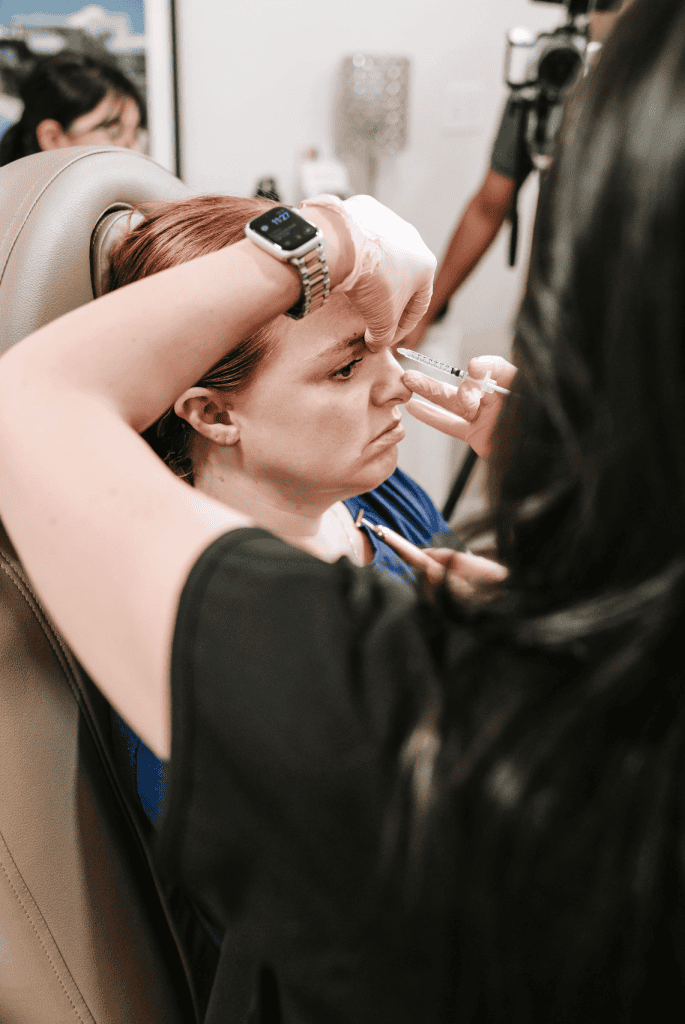
To safely and effectively administer injectables, you’ll need hands-on training from a credible program. When choosing a course, ensure it covers:
- Facial anatomy and injection techniques
- Patient safety and complication management
- Hands-on practice with live models
Need help choosing the best training program? Check out our Course Comparison Guide for a breakdown of the top-rated options.
4. Understand State-Specific Regulations
State laws dictate who can administer Botox and fillers and under what conditions. Factors to research include:
- Supervision Requirements: Some states require RNs and PAs to work under varying degrees of physician supervision or collaboration.
- Scope of Practice: Some states outline specific procedures professionals can perform.
Want to check your state’s regulations? Visit our How to Navigate Your State Requirements blog for up-to-date information.
Why Hands-On Training Is Essential
While theoretical knowledge is crucial, practical experience is what sets a skilled injector apart. Hands-on training allows you to:
- Master facial anatomy to avoid complications
- Develop precise injection techniques for optimal results
- Learn how to manage potential side effects and adverse reactions
At Injectables EDU, we offer both online and in-person Botox training, combining technical education with real-world practice to help you build confidence and expertise.
Continuing Education & Career Advancement
Aesthetic medicine is constantly evolving, and staying updated is essential. Here’s how to keep growing in the field:
- Attend Workshops & Conferences: Join events like the Injectables EDU Summit to learn new techniques and network.
- Join Professional Associations: Groups like the International Association for Physicians in Aesthetic Medicine (IAPAM) offer valuable resources and community support. And speaking of community support, Injectables EDU has a PRIVATE Facebook group perfect for networking with other aesthetic professionals. Join here.
- Earn Advanced Certifications: As you gain experience, consider specialized training in advanced injectables and emerging techniques to expand your practice.
Legal & Ethical Considerations
As a medical professional, you must adhere to strict ethical and legal standards when administering Botox and fillers:
- Obtain Informed Consent: Patients should fully understand the risks and benefits of treatment.
- Prioritize Patient Safety: Follow hygiene protocols and use high-quality products to ensure optimal outcomes.
- Stay Compliant: Always operate within your state’s legal framework and professional licensing guidelines. And as we mentioned before, the guidance is different depending where you are. Your best resources?
- Get in touch with your State Nursing Board and get your hands on the State Nursing Board Scope of Practice Documents.
- Consult a lawyer. Firms like Lengea Law can help you figure out what your state requirements are.
Need consent forms and compliance documents? Download our Injectables EDU Compliance Toolkit to keep your practice legally sound.
Take the Next Step in Your Aesthetic Medicine Career
If you’re ready to start your journey in Botox and dermal filler administration, Injectables EDU is here to support you every step of the way.
- Schedule a Mentoring Call with Suzanne or Cassie for expert guidance on your career path.
- Enroll in a Training Program to gain hands-on experience and industry-recognized certification.
- Explore Free Resources to navigate course selection, state regulations, and practice setup.
Don’t wait! Start your career in aesthetic medicine today and build a thriving practice in Botox and dermal fillers.