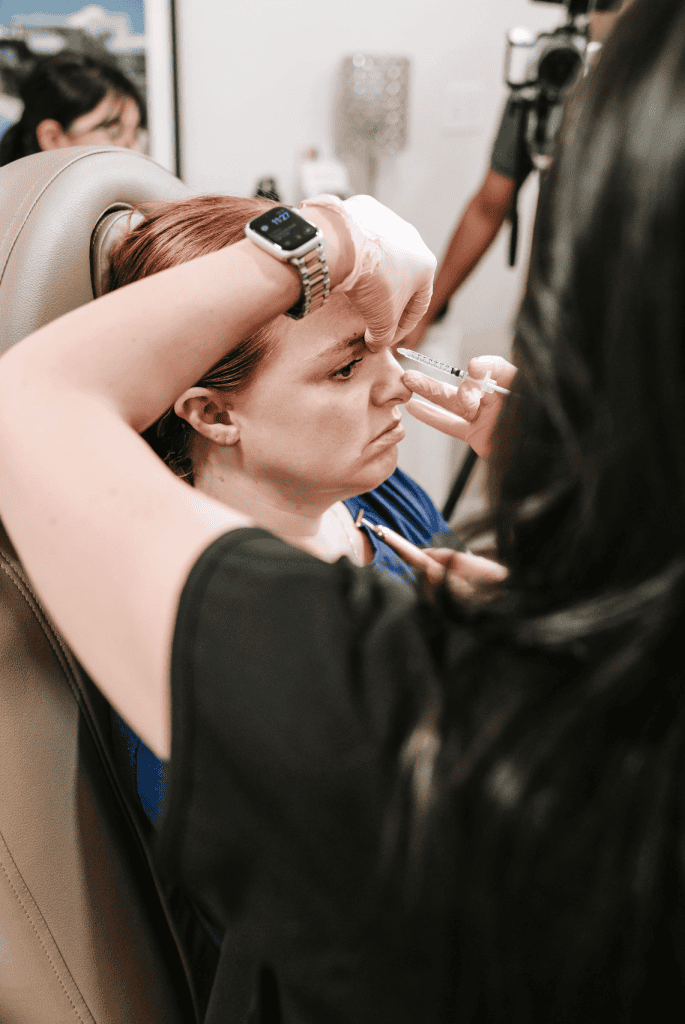
Exploring the Nuances of Neurotoxin Options in the Botox Business
In the rapidly advancing field of aesthetic medicine, staying informed about the latest neurotoxin treatments is essential for delivering optimal patient care. With five distinct neurotoxin options available, each possessing unique characteristics, a comprehensive understanding is crucial for tailoring treatments to individual patient needs and growing your Botox business.
Introduction: The Evolving Landscape of Neurotoxin Treatments in the Botox Business
As aesthetic medical providers, our approach to neurotoxin treatments has become increasingly nuanced. Gone are the days of a one-size-fits-all solution. Today, we have five distinct neurotoxin options, each with unique molecular characteristics, diffusion patterns, and clinical applications that can impact patient outcomes and contribute to the success of a Botox business.
Beyond the clinical implications, patients are doing significant research independently and seeing direct-to-consumer advertising for these medications. Patients have become highly focused on product choice—sometimes to the extreme of placing this choice as more important than their choice of injector. Patient education on neurotoxin options is an essential part of your consultation and an integral component of a successful Botox business.
Understanding Neurotoxin Fundamentals
Before diving into individual products, it’s important to understand that all neurotoxins have the same active ingredient: Botulinum Toxin Type A. This substance works by blocking acetylcholine, a neurotransmitter responsible for muscle contractions. By temporarily paralyzing targeted muscles, it smooths out wrinkles and prevents new line formation. This is how all neurotoxins—Botox, Dysport, Jeuveau, Xeomin, and Daxxify—work.
These differences come from variations in the manufacturing process. I liken them to having a preference for Pepsi or Coca-Cola. At the end of the day, the active ingredients are sugar and caffeine, but we can still have our own personal preferences. However, if someone were injected with one product on one side of the face and another on the other side, it would be very unlikely to tell any difference!
The different botulinum toxin type A products (Botox, Xeomin, Dysport, Jeuveau, and Daxxify) all originate from the Clostridium botulinum bacterium, but their manufacturing processes create unique formulations, impacting their clinical performance and application in a Botox business. Here’s how they differ:
1. Molecular Composition: Each neurotoxin has a unique protein structure and purification process. Proteins are one way to stabilize the neurotoxin molecule prior to usage. Once reconstituted with bacteriostatic saline or normal saline these proteins detach from the Botulinum Toxin Type A and are inactive.
2. Diffusion Characteristics: Spread and precision vary between products. Why do we care how much the product spreads? The more the spread or diffusion, the more muscle area or muscles will be affected or relaxed. If there was no spread then the treatment would leave a lot of untreated area with unwanted wrinkles. With too much spread unintended muscles can be affected created a complication such as a lid ptosis (droopy eyelid). How you reconstitute the product, number of units used and speed of injection also affect spread.
3. Patient-Specific Factors: Age, muscle structure, treatment goals, and previous experiences play critical roles.
4. Manufacturing variations: Refrigeration requirements, vacuum sealed vs freeze dried, purification process, etc.
Comparative Analysis of Neurotoxin Options
1. Botox® (OnabotulinumtoxinA)
- Manufacturer: Allergan Aesthetics (an AbbVie company).
- Protein Complex: Botox contains botulinum toxin type A with accessory proteins that stabilize the molecule. It is the heaviest molecular complex. These proteins may affect the immune system response over time but serve to stabilize the medication for storage.
- Purity: Contains additional complexing proteins, making it less “pure” compared to some alternatives. It is theorized that the rare cases of resistance to Botulinum Toxin Type A is mediated by the proteins not by the Botulinum Toxin.
- Formulation: Supplied as a vacuum-dried powder for reconstitution with saline.
- Onset: 3-7 days
- Duration: 3-4 months
- Product spread from injection site: size of a nickel
- Best suited for: Patients with established treatment history who prefer the look, hold and trusted name.
- How I describe it to my patients: Botox is the OG. It’s tried and true and gives a nice firm hold with great duration. On the flip side, just because it’s the most well-known doesn’t mean it’s the best. There are also newer generation options that are worth a try.
- Additional notes: Botox is FDA approved for additional therapeutic treatments such as migraines and muscle spasticity disorders
2. Xeomin (IncobotulinumtoxinA)
- Manufacturer: Merz Aesthetics.
- Protein Complex: Xeomin is a “naked tox,” meaning it does not contain accessory proteins. This purified formula reduces the risk of antibody resistance, making it an excellent choice for long-term use.
- Purity: Highly purified, containing only the active botulinum toxin molecule without any complexing proteins. However it does contain human serum albumin just like all the other neurotoxins (except Daxxify).
- Formulation: Supplied as a lyophilized powder for reconstitution with saline. Comparatively lower levels of botulinum toxin type A.
- Onset: 3-4 days
- Duration: 3-4 months
- Product spread from injection site: size of a nickel
- Best suited for: First-time or newer patients or those seeking a natural and flexible hold
- How I describe it to my patients: I love Xeomin for patients new to tox who are concerned about wanting to look natural and not feel heavy. I love that it’s the “naked tox” that appeals to a more all-natural crowd. There are “stronger” and likely longer lasting options available.
- Additional notes: Xeomin was FDA-approved in 2010 and is often recommended for patients concerned about potential protein-related immune resistance.
3. Dysport (AbobotulinumtoxinA)
- Manufacturer: Galderma
- Protein Complex: Contains accessory proteins, though in a formulation that allows for broader diffusion compared to Botox. This is particularly advantageous for larger treatment areas.
- Purity: Slightly less pure than Xeomin due to the inclusion of stabilizing proteins.
- Formulation: Delivered as a lyophilized powder requiring reconstitution. Comparatively higher levels of botulinum toxin type A.
- Onset: 2-3 days
- Duration: 3-4 months
- Product spread from injection site: size of a quarter
- Best suited for: Patients needing treatment in larger areas like the forehead or seeking quicker onset results.
- How I describe it to my patients: I think of Dysport at the sledgehammer. My patients love the longevity and firm hold. This product is particularly great if you work out a lot and have a fast metabolism for tox. I love it for areas where a little extra spread from the injection site is helpful.
- Additional notes: Dysport is the second most popular neurotoxin worldwide, known for its strong effects and ability to spread over a larger area. Dysport is measured in Speywood units. A commonly accept converstion is between 2 and 3 Speywood units equals one Botox unit. Providers can choose to sell Dysport by the Speywood unit or convert them into traditional Botox units for purchase.
4. Jeuveau (PrabotulinumtoxinA-xvfs)
- Manufacturer: Evolus
- Protein Complex: Contains accessory proteins similar to Botox but manufactured using Hi-Pure™ technology for enhanced consistency and performance.
- Purity: Similar to Botox but produced with a proprietary purification process.
- Formulation: Supplied as a vacuum-dried powder for reconstitution with saline.
- Onset: 2-3 days
- Duration: 3-4 months
- Product spread from injection site: size of a dime
- Best suited for: Patients who value fast results and cost-saving benefits through Jeuveau’s exclusive rewards program.
- How I describe it to my patients: I jokingly call Jeuveau “B0t0x’s sexier younger sister”! Jeuveu is incredibly similar to Botox® but one of the newer options. Best part is it kicks in a few days faster and has an easy rewards program that gets you $40 every treatment.
- Additional notes: Often referred to as “Newtox,” Jeuveau has become a modern favorite due to its rapid onset and appealing rewards program offering $40 per treatment.
5. Daxxify (DaxxibotulinumtoxinA-lanm)
- Manufacturer: Revance Therapeutics.
- Protein Complex: Unique peptide-based stabilizer instead of accessory proteins. This innovative formulation allows for a longer duration of action.
- Purity: High purity due to the absence of traditional accessory proteins, stabilized using cutting-edge peptide technology.
- Formulation: Supplied as a powder with a modern stabilization process that does not require human serum albumin or animal-derived components.
- Onset: 3-7 days
- Duration: About 4-6 months (longer than other neurotoxins).
- Product spread from injection site: size of a nickel
- Best suited for: Patients seeking longer-lasting results with a natural, flexible movement rather than a “frozen” look.
- How I describe it to my patients: Less often needlesticks, who doesn’t want that!? However I find my patients either love or hate Daxxi. This product gives a longer lasting but more flexible hold. If you want 4 months of fresh, not frozen, this is for you. I love the peptide technology gives a nice skin glow too. It’s the same price to treat annually but more expensive to do Daxxi each visit which requires some budget planning as I charge more per unit in my office for this product.
- Additional notes: Daxxify is the newest neurotoxin on the market, offering an extended duration and setting a new standard for longevity in botulinum toxin treatments.
Clinical Decision-Making Framework for Your Botox Business
When selecting a neurotoxin, consider the following decision matrix:
1. Patient History
- Previous neurotoxin experiences
- Immunological response
- Aesthetic and functional treatment goals
- Work out a lot which increases blood flow to the face and metabolism rate
2. Anatomical Considerations
- Muscle group characteristics
- Treatment area size and precision requirements
- Desired muscle relaxation pattern
3. Patient Preferences
- Budget constraints
- Desired treatment frequency
- Aesthetic expectations
4. Provider Experience
- Familiarity with product
- Consistent treatment outcomes
- Patient satisfaction rates
Practical Recommendations for Running a Successful Botox Business
1. Start Conservative: Begin with smaller doses and assess patient response.
2. Document Meticulously: Track patient outcomes across different neurotoxin types.
3. Personalize Treatment: No universal approach exists; each patient requires individualized assessment.
4. Stay Informed: Continuously update knowledge about emerging neurotoxin technologies.
Conclusion: The Art of Precision Medicine
Neurotoxin selection is both a science and an art. By understanding the nuanced differences between available products, we can provide targeted, effective treatments that align with individual patient needs.
Remember: Our goal transcends wrinkle reduction. We’re enhancing patient confidence, functionality, and quality of life through precise, thoughtful interventions.
So, what next?
Elevate your expertise in aesthetic medicine by joining Injectables EDU’s Mentorship Program or enrolling in our specialized training courses. Our programs are designed to provide in-depth knowledge and hands-on experience, empowering you to confidently navigate the complexities of neurotoxin treatments.
Take the next step in your professional journey and become a leader in aesthetic excellence. Click here to sign up for one of our top trainings.